Design-Build Services for Webster Avenue Bridge Replacement
Location: MANHASSET, NY
PROJECT HIGHLIGHTS / SCOPE OF WORK
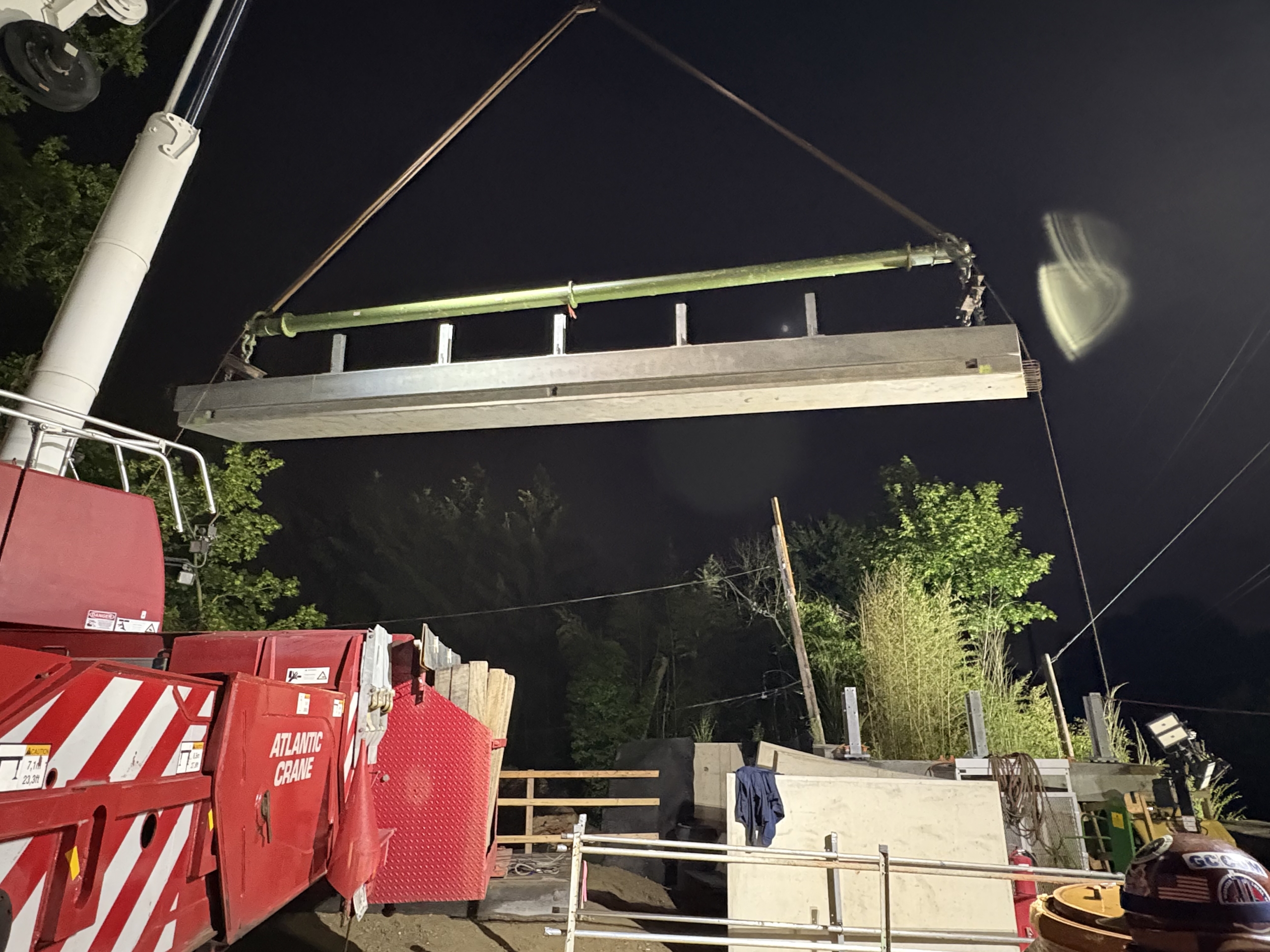
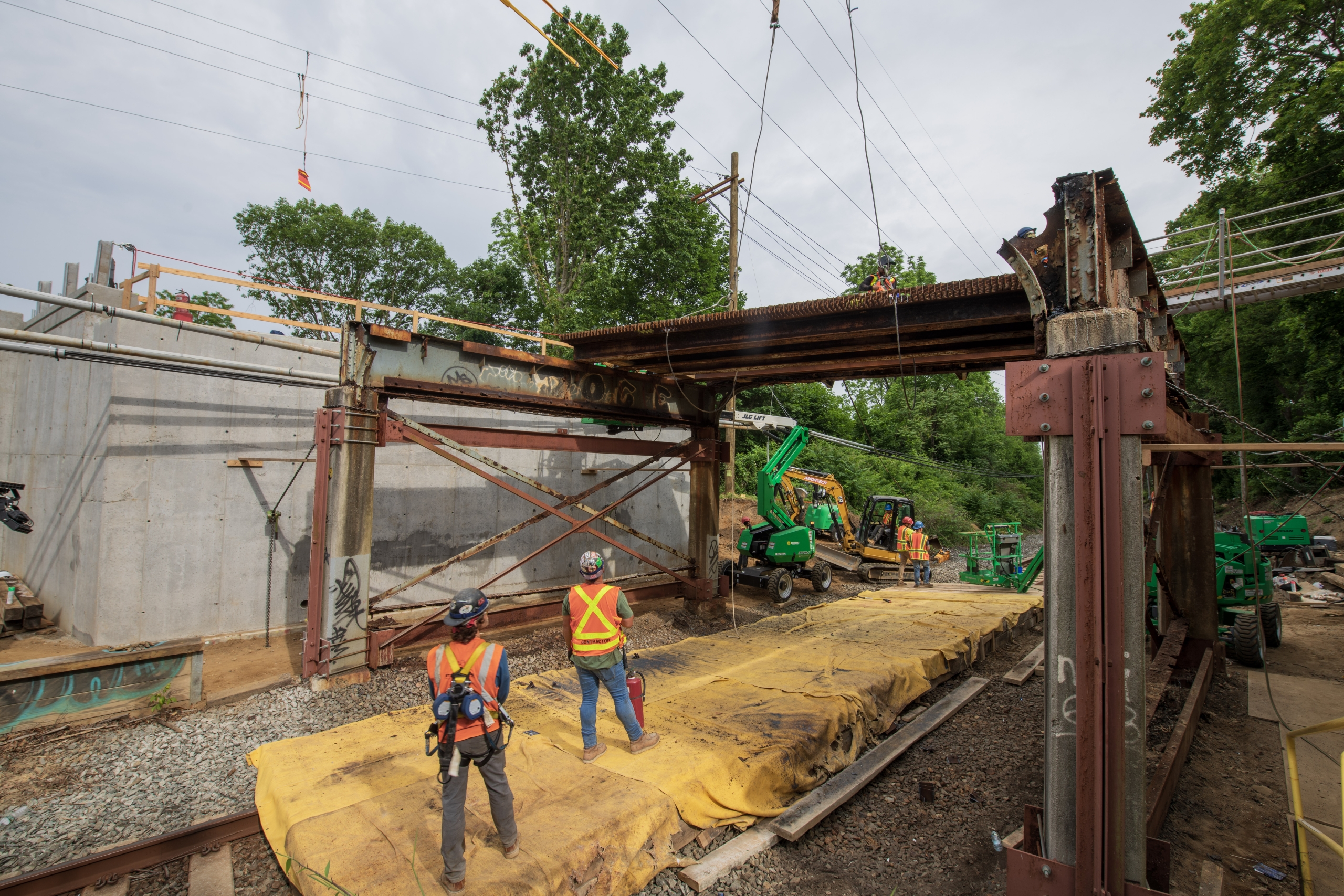
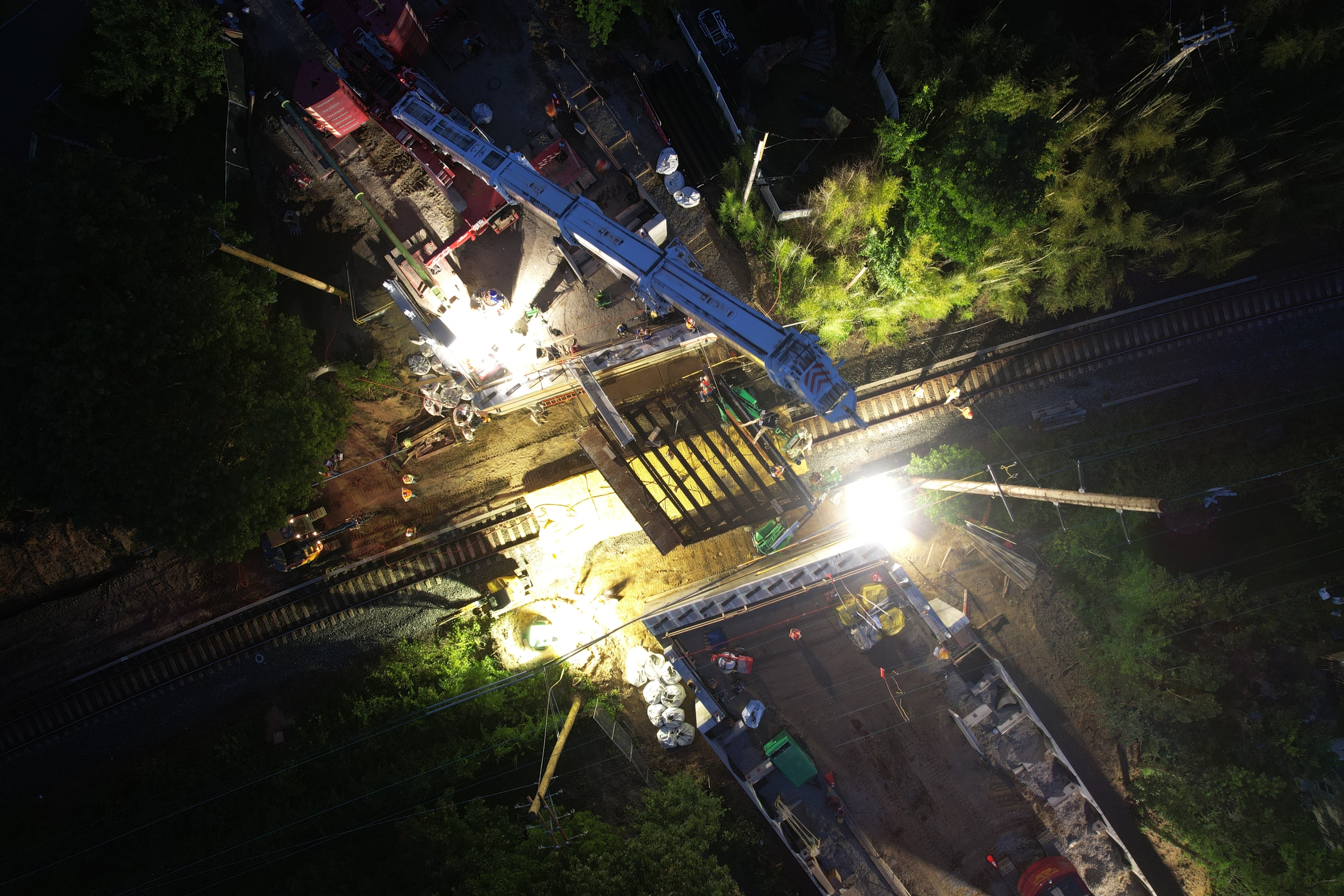
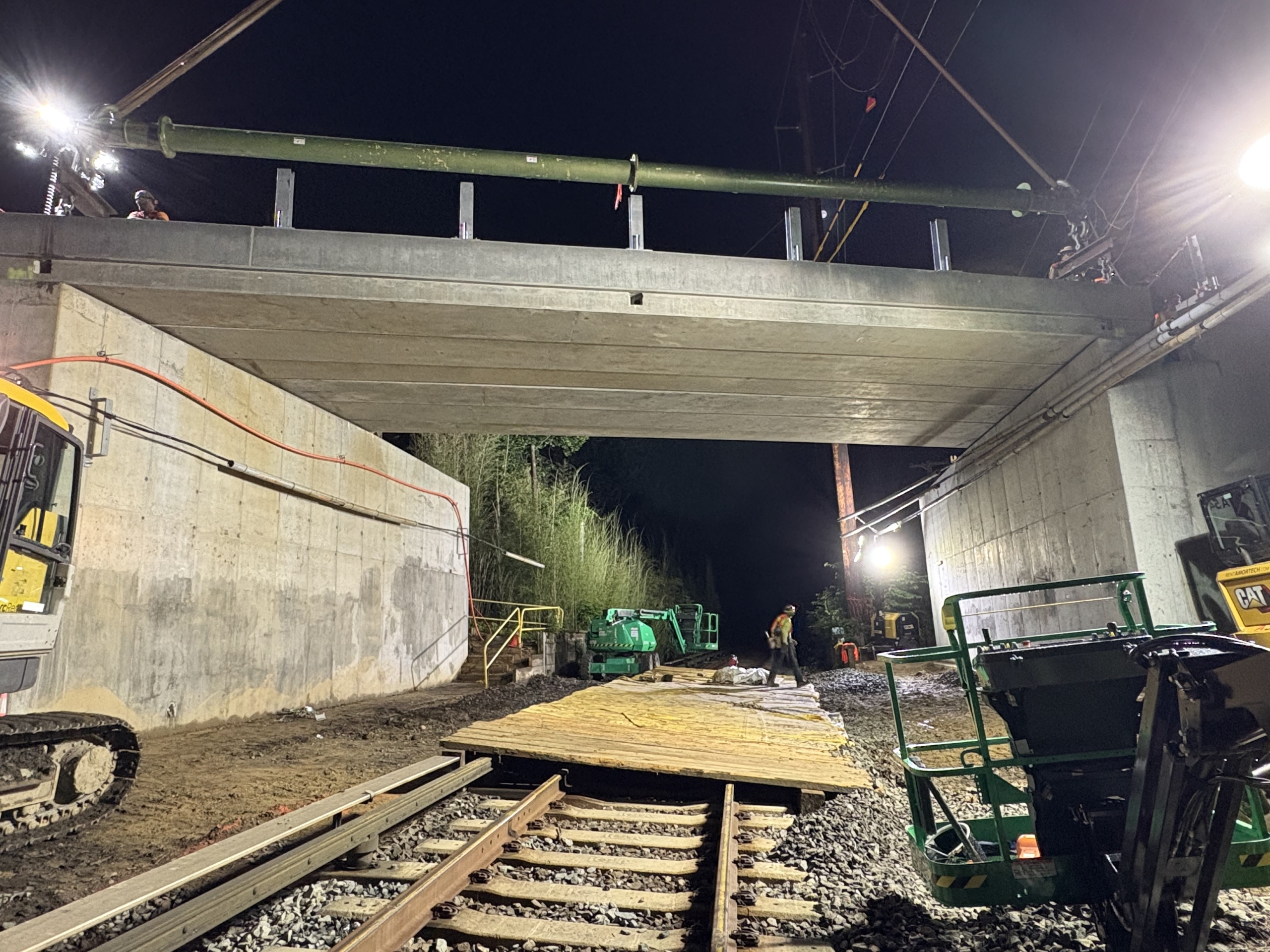
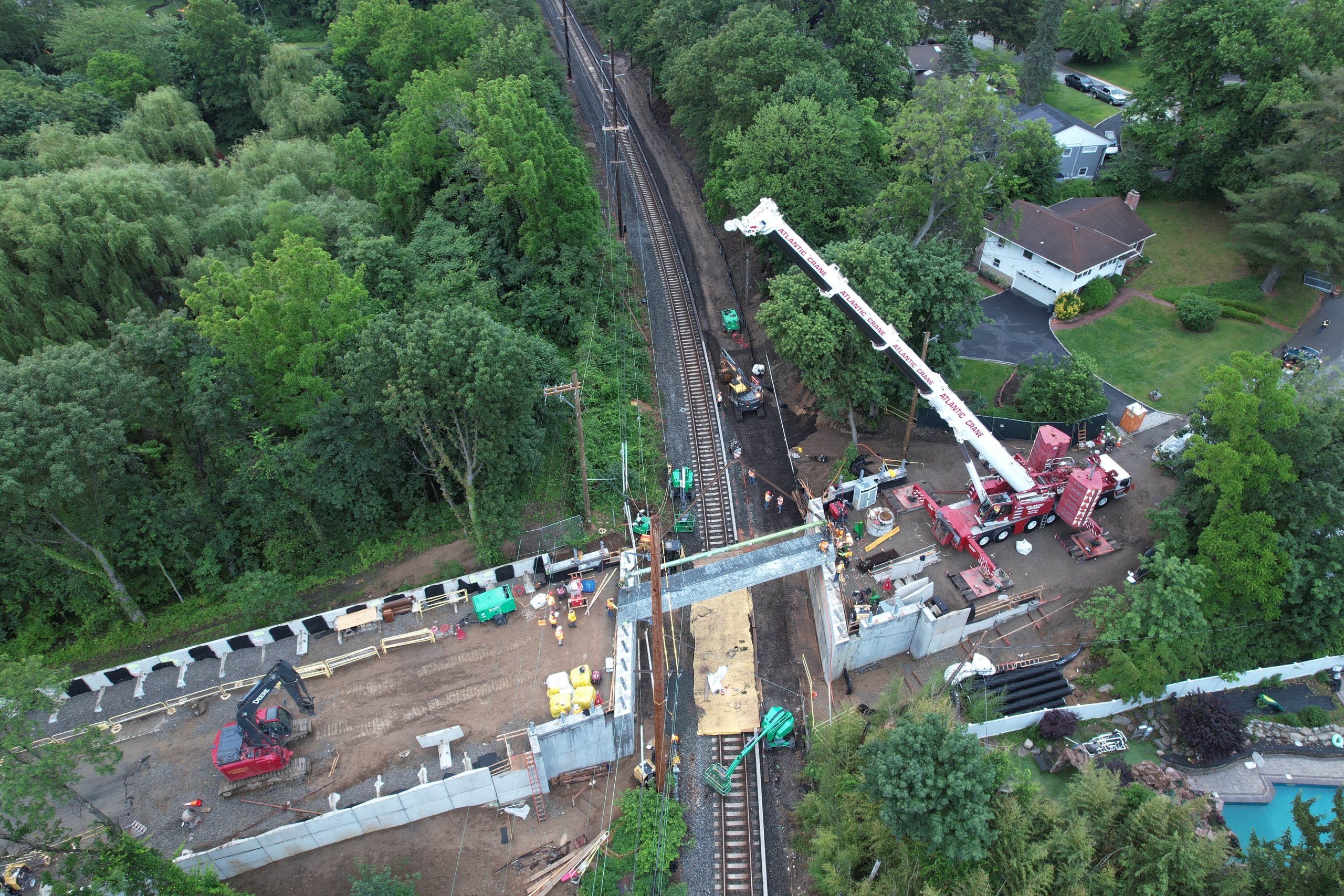
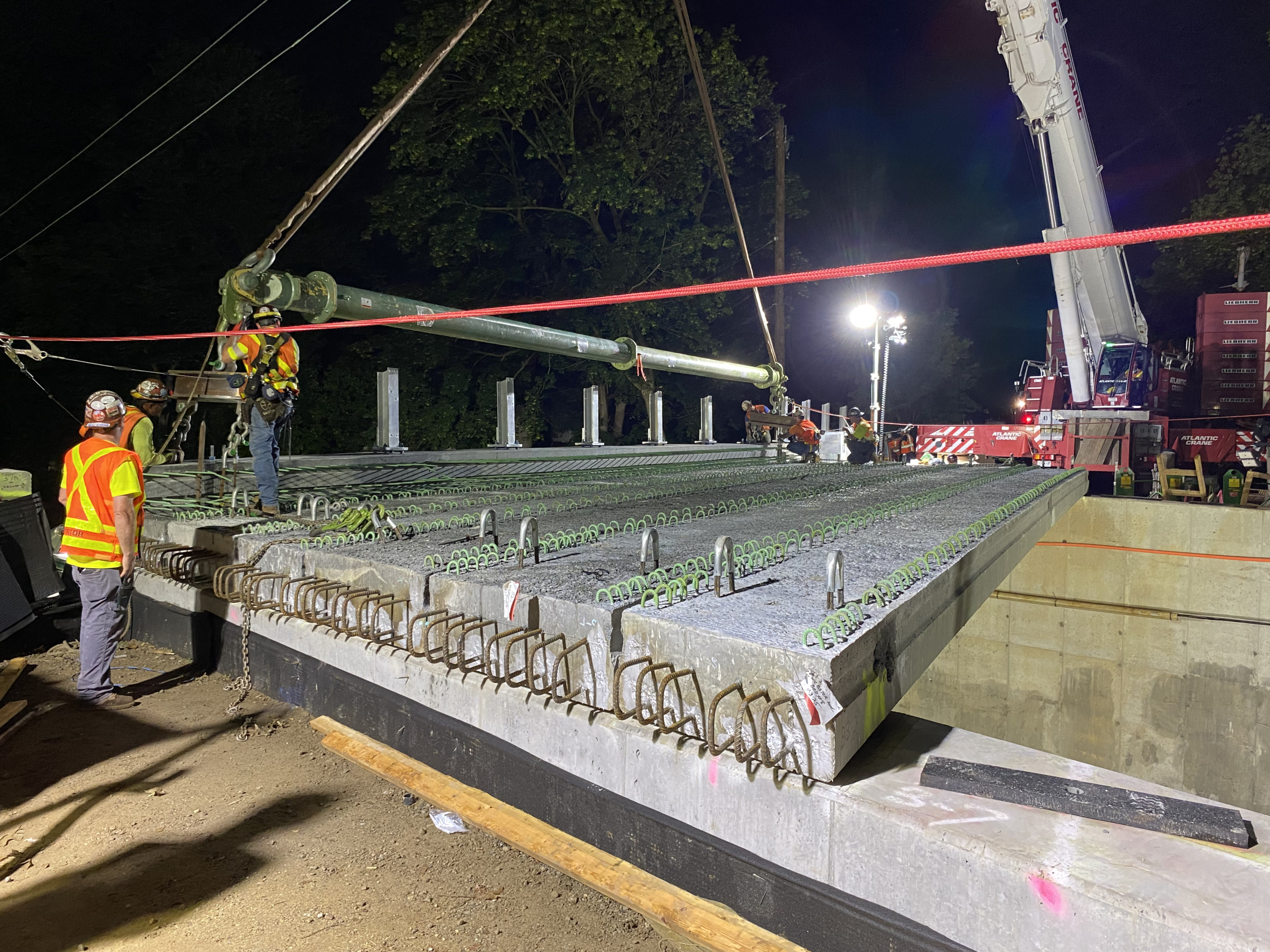
• Accelerated Bridge Construction (ABC) Success – The existing 1897 bridge was demolished and a new single-span structure erected in just one 52 hour weekend, minimizing disruption to LIRR operations and the surrounding community.
• Innovative Single-Span Design – The design eliminated intermediate piers, reducing both cost and schedule while improving long-term resilience.
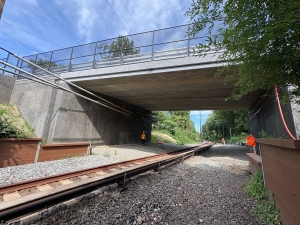
• Modernized Infrastructure for Safety and Longevity – The new, NYSDOT-compliant bridge provides increased vertical clearance, improved roadway geometry, and a 75-year design life.
• Enhanced Community – Drainage improvements now prevent roadway runoff from entering the rail corridor, while new sidewalks, retaining walls, and roadways enhance pedestrian safety and neighborhood connectivity.
• Ahead of Schedule, Exceeding Expectations – Delivered over 100 days early, the project exemplifies design-build collaboration on a live rail corridor.
PROJECT DESCRIPTION
The Webster Avenue Bridge Replacement Project in Manhasset, NY, encompassed the full design and construction of a new bridge structure over the Long Island Rail Road (LIRR) Port Washington Branch. The existing bridge had significantly outlived its intended service life and no longer met modern standards.
To address the deficiencies, the JV replaced the aging bridge with a modern structure designed to meet current engineering and safety standards. The new bridge now provides improved roadway geometry, increased vertical clearance, and enhanced load-bearing capabilities.
The project scope included the removal and disposal of the existing bridge, followed by the fabrication and installation of the new Webster Avenue Bridge. To accommodate a widened roadway at the bridge approaches, new retaining walls and backfill were constructed. Roadway improvements were also implemented, including milling and paving to conform with the revised roadway profile and cross-section. Additionally, new curbs and sidewalks were installed within the limits of reconstruction to enhance pedestrian access and safety.
Drainage enhancements were a key part of the project as well, ensuring that roadway runoff is effectively conveyed to a nearby retention pond, thereby preventing water from entering the LIRR right-of-way.
2026 ASCE Long Island Branch Project of the Year Award – Design-Build


Gallery